
As a dedicated traveler through the world of Teyvat, I've followed every twist and turn in the saga of Genshin Impact's potential leap to the big screen. The journey has been filled with anticipation, rumors, and a profound sense of national pride. Back in 2022, the announcement of a collaboration with the legendary Japanese studio ufotable sent shockwaves of excitement through our community. The prospect of seeing Mondstadt and Liyue brought to life by the creators of Demon Slayer felt like a dream. Yet, as the years have passed, that initial promise has been enveloped in a haze of silence, and the narrative has dramatically shifted towards a new, homegrown ambition.
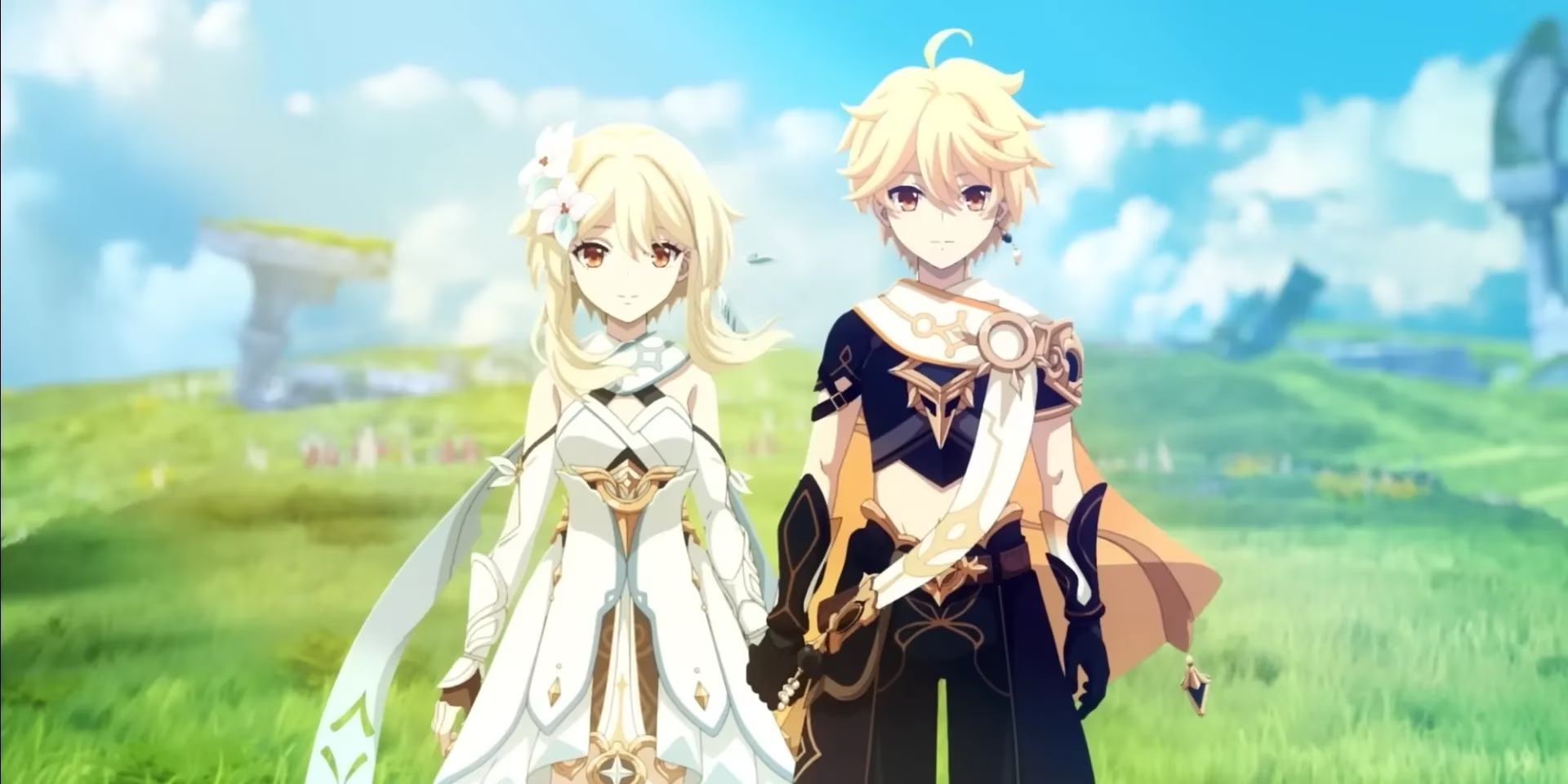
The Rise of a Homegrown Dream
For years, we players have watched HoYoverse evolve from a modest game developer into a global entertainment titan. Its most triumphant creations, the Genshin and Honkai franchises, have not just been games; they've been cultural phenomena. I remember the sheer awe of exploring the vast, beautiful landscapes of Teyvat for the first time. That success, built on captivating storytelling and breathtaking visuals, naturally fueled the desire for a cinematic adaptation. The ufotable teaser was a glimpse of that potential. However, the recent developments point towards a different, perhaps more meaningful path.
The turning point came from reports about China's cinematic aspirations. According to discussions relayed from Chinese media, HoYoverse has expressed a powerful commitment to creating animations based on its own intellectual properties, specifically to bolster Shanghai's film industry. This isn't just a corporate strategy; it feels like a statement. The notion that Shanghai's governmental Film Department is backing this endeavor adds a layer of official endorsement and national ambition. The idea is no longer just about adapting a game; it's about cultivating a local creative hub and showcasing Chinese artistry on a global stage. This revelation casts a long shadow over the once-celebrated ufotable project. It now seems far more plausible that any future Genshin movie will bear a "Made in China" signature, a point of immense pride for many of us who have journeyed with the game from its inception.
HoYoverse: A Studio in All But Name
Some might worry about a game company venturing into film, but as a fan who has consumed every piece of ancillary content, I can confidently say HoYoverse is not starting from scratch. They have been quietly building a multimedia empire for years.
-
Proven Animation Capability: Long before any movie talks, they were crafting narratives. The emotionally charged in-game cutscenes for Honkai Impact 3rd were my first taste of their cinematic flair. Then came Cooking with Valkyries, a series of charming animated shorts that proved they could handle character-driven, serialized content with humor and heart.
-
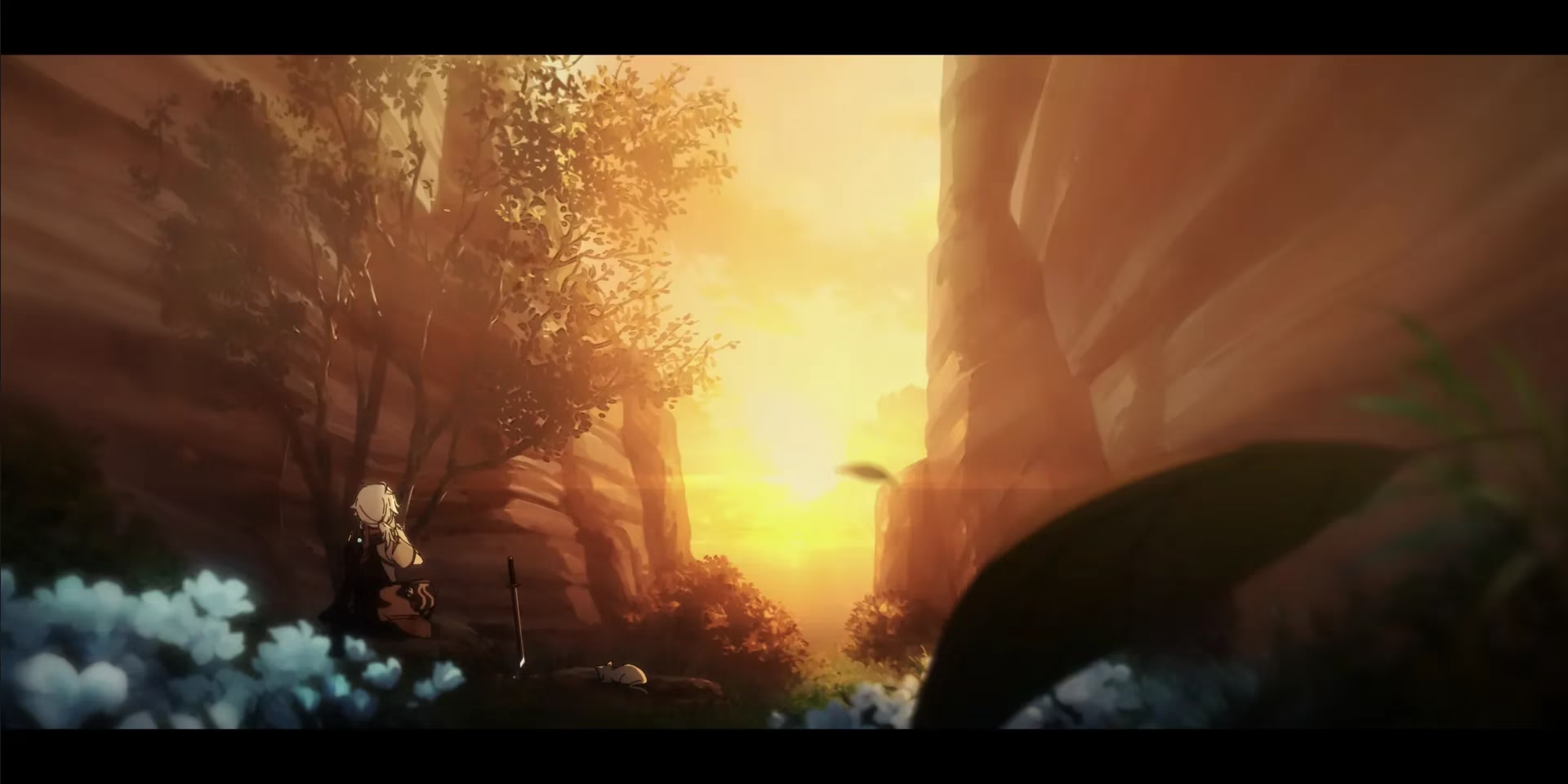
High-Quality Short Films: More recently, the release of The Song Burning in the Embers on the official Genshin channel was a revelation. This wasn't a simple promo; it was a fully-realized, emotionally resonant short film that delved deep into a character's backstory with stunning artistry. It demonstrated a mastery of visual storytelling that rivals many established animation studios.
This established media department, backed by the immense financial resources from Genshin's monumental success, possesses both the experience and the capital to undertake feature film production. The logical progression from short films and comedic series to a full-length epic feels inevitable. The real question was never "if" they could do it, but "when" and "how."
The Shape of Cinematic Teyvat
If HoYoverse does helm its own adaptations, the source material offers a treasure trove of narrative possibilities. Genshin Impact's world is built on the foundation of the Archon Quests—major story arcs centered on each of the seven nations of Teyvat. As a player, completing the Liyue chapter felt like concluding a grand, self-contained epic. This structure is perfect for cinematic translation.
Imagine a film trilogy or series:
| Potential Film | Core Narrative Arc | Thematic Focus |
|---|---|---|
| Genshin Impact: The Mondstadt Chapter | The Stormterror crisis & Freedom | Establishing the Traveler's journey and the conflict with the Abyss. |
| Genshin Impact: The Liyue Chapter | The Rite of Descension & Contracts | The balance of divine and mortal power, and the weight of history. |
| Genshin Impact: The Inazuma Chapter | The Vision Hunt Decree & Eternity | The cost of unwavering ideals and the pursuit of rebellion. |
Each nation's quest provides a rich, 2-3 hour film's worth of drama, character development, and world-building. Furthermore, the Honkai franchise, with its more linear, sci-fi epic narratives, is equally ripe for adaptation, offering a different tonal palette for the studio to explore.
The Path Forward: Ambition and Patience
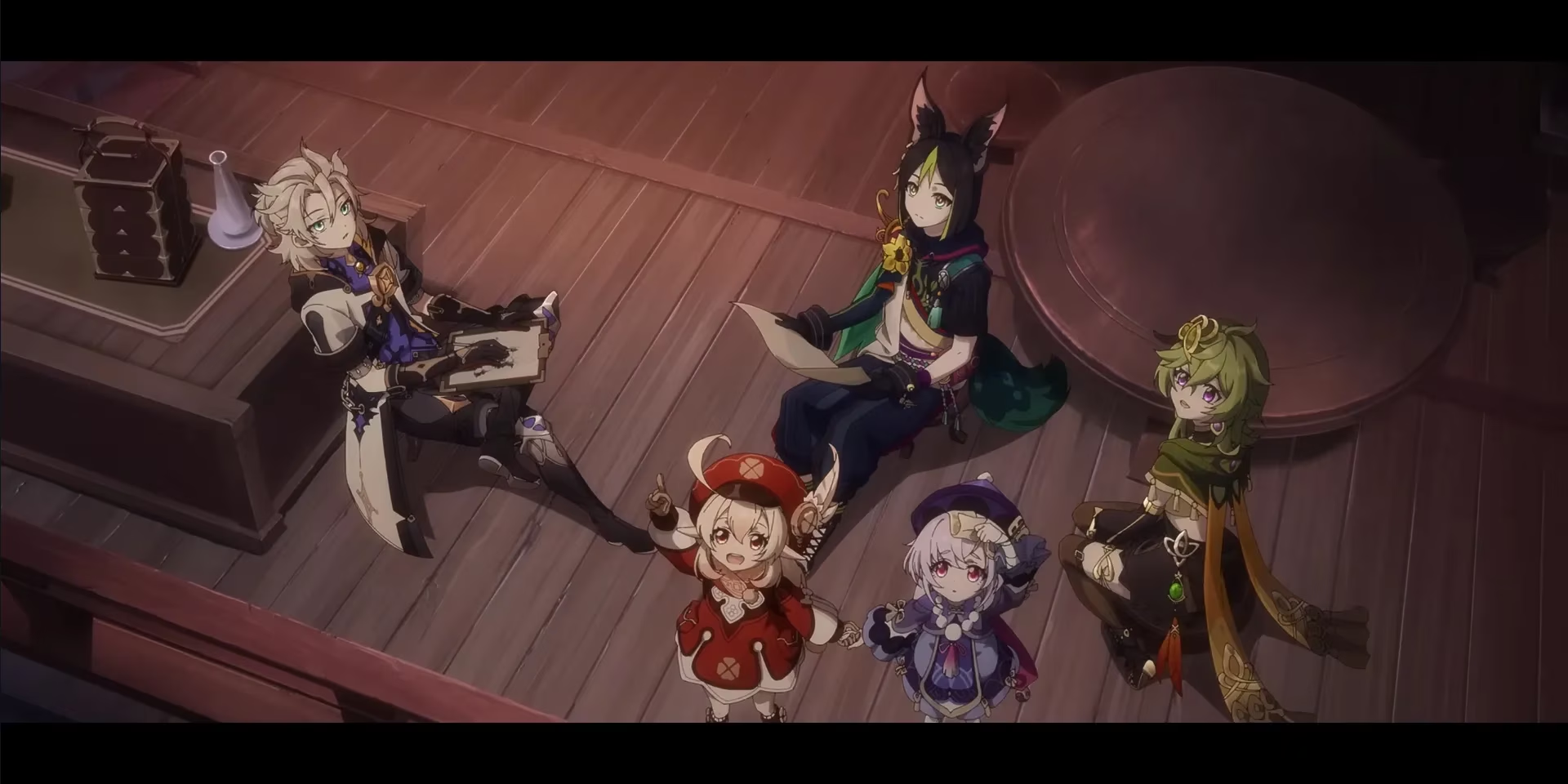
While the excitement is palpable, the reality is that we must temper our expectations with patience. Shanghai's film project is described as a "three-year plan," indicating a strategic, long-term development process. Given the scale and ambition, it's likely that even pre-production for the first movie will take considerable time. By 2026, the in-game storyline of Teyvat may be approaching its conclusion, but the cinematic journey might just be beginning.
The silence surrounding the ufotable collaboration speaks volumes. In my view, it suggests HoYoverse is carefully consolidating its creative vision. It would be narratively and logistically challenging to split the adaptation rights between a Japanese anime series and a Chinese film series. The most coherent path forward is a unified, in-house vision.
Ultimately, this shift from an external collaboration to an internal production feels like a coming-of-age story for HoYoverse and, by extension, for a segment of China's creative industry. It's a move from outsourcing a dream to building the capacity to realize it themselves. As a player and a fan, while I will always cherish the "what could have been" with ufotable, I am now filled with a different kind of anticipation. I look forward to the day when I can sit in a theater and experience the wonders of Teyvat through a lens crafted by the very minds who imagined it, supported by the city that helped nurture its birth. The dream of a Genshin Impact film is very much alive; it has simply found a new, more ambitious home. 🎬✨